Invisalign® or braces – what’s best for you?

Thinking about straightening your teeth but not sure whether Invisalign® or fixed braces will suit you best? You are not alone. As a specialist-led orthodontic clinic in Sheffield, we plan and deliver both every day, so our advice is simple and balanced. The right choice depends on your bite, your lifestyle and how much effort you want to put into day-to-day care.
This guide walks you through treatment times, comfort, eating and speech, hygiene, visibility, compliance, refinements and retainers. We will also bust common myths, explain Teen options and show you what happens at our full consultation with 3D scanning and a simulation of your likely result.
What are your options?
Invisalign® and other clear aligners: series of removable, near-invisible trays worn 20 to 22 hours per day. Great for discreet treatment and easier cleaning.
Fixed braces: brackets and wires that work 24/7 without you needing to remember to wear them. We offer metal braces, ceramic braces, Iconix braces in a champagne-gold finish, and lingual braces that sit behind the teeth.
Suitability by case complexity
Mild cases: mild crowding or spacing often suit either Invisalign® or fixed braces. Choice usually comes down to appearance and lifestyle.
Moderate cases: both approaches work well. Fixed braces can offer slightly more precise control of complex tooth movements without relying on patient wear time. Invisalign® can handle many of these cases with careful Specialist planning and attachments.
Complex cases: severe crowding, significant rotations, impacted teeth or complex bite corrections typically suit fixed braces best. Metal or Iconix are versatile; ceramic gives a subtler look. Lingual braces can be considered where full discretion is top priority, subject to suitability.
At your consultation we confirm what will be effective for your specific bite, rather than pushing one system.
How long does treatment take?
Most comprehensive treatments take 12 to 24 months, whether aligners or fixed braces. Some straightforward cases finish sooner, and complex cases can take longer. The main drivers are biology, the movements needed and how consistently you follow the plan. Review visits are typically every 6 to 8 weeks so we can keep you on track.
Myth bust: can you finish Invisalign® in 3 months? For limited, very mild goals, short aligner sequences exist, but three-month timelines are not typical for comprehensive corrections. If someone promises a three-month miracle for complex crowding or bite changes, be cautious and seek a specialist opinion.
Comfort, eating and speech
Comfort: aligners are smooth and usually kind to cheeks and lips. Fixed braces can rub for a few days after fitting or adjustments; orthodontic wax, salt-water rinses and smooth Iconix bracket design help. Discomfort peaks after changes and settles as teeth adjust.
Eating: with Invisalign® you remove aligners to eat and drink anything except cool water, then brush and pop them back in. With fixed braces you eat with the appliance in place, so you will avoid very hard, sticky or crunchy foods to protect brackets and wires.
Speech: most patients adapt to aligners within a day or two. Lingual braces can affect speech a little longer while your tongue adapts.
Oral hygiene and appointments
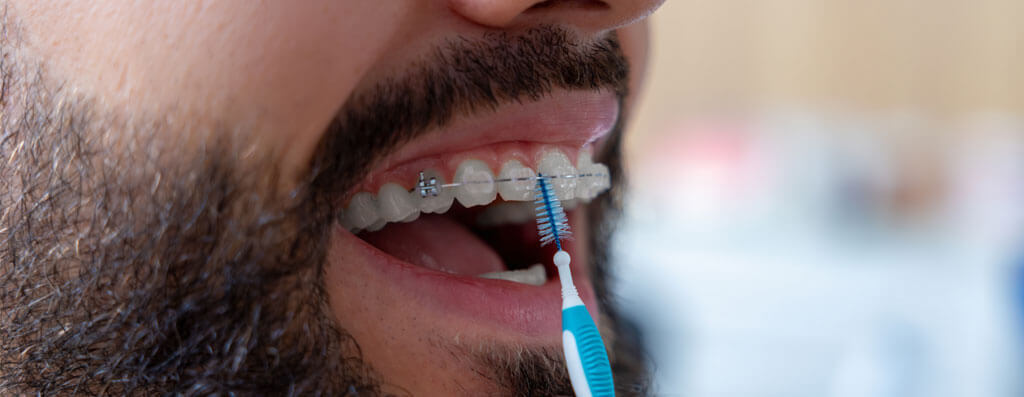
Removable aligners make brushing and flossing straightforward. With fixed braces you can keep excellent hygiene too, it just needs a little more time and the right brushes. Either way, a consistent home routine matters more than the appliance type.
You will see us regularly for checks and adjustments, usually every 6 to 8 weeks. Many patients comment on our punctual scheduling, which helps minimise time away from work or school.
Visibility and discretion
- Invisalign® and other clear aligners are close to invisible in everyday interactions.
- Ceramic braces use tooth-coloured brackets for a subtle look.
- Iconix braces blend strength with a warm, low-glare finish.
- Lingual braces sit on the inside of the teeth for a fully hidden option.
If being camera-ready at all times matters, aligners or lingual may edge it. If you want discretion with set-and-forget wear, ceramic or Iconix offer a good balance.
Compliance, refinements and retainers
Aligners only work when they are worn 20 to 22 hours daily. Miss wear time and treatment slows. Invisalign® Teen includes wear indicators that fade with use, plus allowances for erupting teeth and extra replacement aligners where clinically appropriate.
Refinements are common with aligners and sometimes needed with fixed braces too. Think of refinements as fine-tuning to perfect the result. Retainers are essential after any orthodontic treatment. Our Invisalign® patients receive three sets of premium Vivera retainers and 12 months of aftercare; fixed-brace patients receive custom retainers with scheduled follow-ups. Long-term retention is key to keeping your smile aligned.
Budget and value
At The Orthodontic Centre, typical fee ranges are transparent and discussed in detail at your consultation. As a guide, metal braces usually start lower than ceramic, Iconix or Invisalign®. Final costs depend on case complexity, appliances and aftercare. We offer 0% finance for up to 18 months, with extended terms available, subject to status, as we act as a credit broker, not a lender.
For current fees and finance details, see our fees page for Invisalign® and braces pricing in Sheffield.
Quick chooser: what tends to suit whom?
- Lifestyle first: want near-invisible, removable treatment and easy cleaning? Invisalign® or other clear aligners are ideal if you can commit to wear time.
- Set-and-forget reliability: prefer an appliance that works 24/7 without remembering to wear it? Metal, ceramic or Iconix fixed braces fit well.
- Maximum discretion: need a completely hidden option for public-facing work? Consider lingual braces, or aligners if speech demands are high.
- Complex movements: major bite corrections or severe crowding often run most efficiently with fixed braces.
- Teen confidence and accountability: Invisalign® Teen offers wear indicators; fixed braces remove the wear-time variable.
Real-world scenarios
- Busy professional, frequent client meetings: chooses Invisalign® for discretion and removable convenience, completes a moderate crowding case in about 15 months with one refinement.
- University student on a budget: opts for metal braces, embraces the 24/7 reliability and finishes in 18 months.
- Performer needing zero visible gear on stage: goes for lingual braces after suitability checks, accepts a short speech adjustment period.
- Teen with late-erupting molars: Invisalign® Teen plan allows for eruption spaces and includes wear indicators to keep everyone on track.
What happens at our full consultation?
After your free initial assessment with the Treatment Coordinator, your specialist consultation includes:
- Digital intraoral scan and photographs
- Bite assessment and X-rays where indicated
- A 3D simulation that previews a likely outcome
- A clear plan: options, estimated timescales, fees and finance
Your full consultation is free if you decide to explore treatment with us. Ready to start with a chat? Book your free assessment with our Treatment Coordinator to explore teeth straightening in Sheffield with a specialist team.
Braces vs Invisalign®: FAQs
Is Invisalign® better than braces?
Neither is universally better. Aligners win on discretion and cleaning, while fixed braces excel for set-and-forget reliability and some complex movements. The right choice depends on your case and lifestyle.
Is Invisalign® cheaper than braces?
Often, metal braces start at a lower fee than Invisalign®, while ceramic, Iconix and lingual can vary. Exact pricing depends on your plan and complexity.
Which type of braces is faster?
For comprehensive cases, both aligners and fixed braces typically take 12 to 24 months. Complexity and consistency drive speed more than appliance choice.
Can you eat with Invisalign® in?
No. Remove aligners to eat and drink anything except cool water, then brush and replace them.
Why do some dentists not recommend Invisalign®?
Suitability varies. Some complex bites respond more predictably to fixed braces. Specialist orthodontic planning expands what aligners can do, but a Specialist assessment is the safest way to choose.
Can you finish Invisalign® in 3 months?
This is uncommon for comprehensive treatment. Short sequences may work for very minor refinements, but most full corrections take closer to 12 to 24 months.
Summary and next step
If you want near-invisible treatment and flexible mealtimes, Invisalign® is a strong contender provided you can commit to wear time. If you want dependable, round-the-clock correction with minimal daily decisions, fixed braces may be your best route, with ceramic, Iconix or lingual options to dial up discretion. Most comprehensive journeys take 12 to 24 months, and refinements plus retainers protect the final result.
Start with a conversation. Book your free initial assessment today, then join us for a free Specialist consultation with a 3D scan and simulation to see your likely outcome before you begin.